1. What did you initially expect from participating in an EC-funded project?
In the beginning, my main expectation was to further develop my research skills and learn how to structure my work effectively to achieve defined project objectives. In addition, I wanted to understand how European projects are organized — particularly how budgets are allocated and how work packages are framed within the overall scope and impact goals. I was also looking forward to collaborating with different partners and gaining experience in project management.
2. How did your real-world experience match or diverge from those expectations?
Overall, my expectations largely matched the real-world experience. One key realization was that communication and alignment of tasks between partners are absolutely critical for success. Through this experience, I gained a much clearer understanding of how EC-funded projects function in practice and how coordination plays a central role in achieving objectives.
3. Which project elements most shaped your view of EC funding?
The strong focus on impact and clearly defined deliverables had the greatest influence on my view of EC funding. I understood that EC projects are not only about generating scientific results, but also about ensuring that outcomes are structured, transferable, and beneficial beyond the project duration.
4. How has working with international or multidisciplinary partners influenced your day-to-day approach?
This was a very insightful experience. Working with international and multidisciplinary partners encouraged me to adapt my communication style and consider different perspectives before making technical decisions. Since multiple work packages were interconnected, I became more aware of how my work affected others. This helped me adopt a more structured and goal-oriented approach in my daily activities.
5. What new technical or soft skills have you acquired through this project?
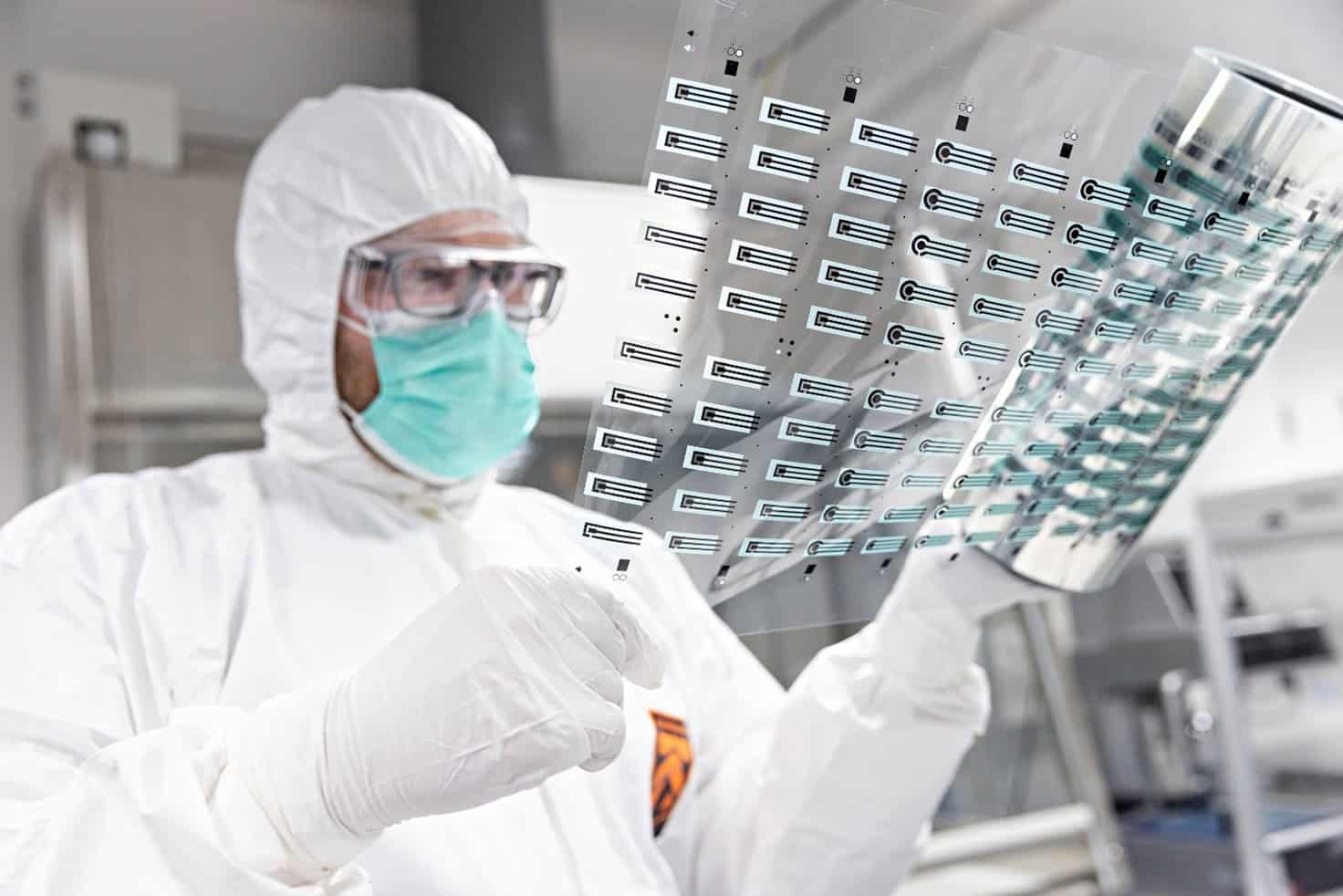
On the technical side, I developed skills in lithography processes, laser–material interaction phenomena, especially with polymers, and gained knowledge of different bonding techniques.
On the soft skills side, I gained valuable experience in project coordination, process improvement, planning, and cross-team collaboration. I also improved my ability to present technical work in a clear and concise way to partners and team members with different areas of expertise.
6. Which training, workshops or mobility opportunities added the most value to your professional development?
Consortium meetings and technical workshops were particularly valuable, as they allowed direct interaction with both academic and industrial partners. These exchanges helped me better understand how research outcomes are evaluated not only scientifically, but also in terms of usability, scalability, and real-world impact.
7. Can you point out specific achievements that you attribute to your EC project work?
One key achievement was the successful development of selective laser processing of materials and my contribution to process improvements in lithography. These advancements supported the overall technical progress of the project and had a significant positive impact on achieving the project objectives.
8. What unexpected benefits or surprises did you encounter along the way?
One unexpected benefit was the level of responsibility and depth of involvement given to an early-stage researcher within an EC project. Being trusted beyond my immediate area of expertise allowed me to broaden my knowledge and increased my confidence. I was also positively surprised by how much I learned from both academic and industrial partners through continuous interaction.
9. What were the biggest challenges you faced, and how did you tackle them?
The main challenge was aligning technical work across partners with different timelines, priorities, and expectations. I addressed this by improving communication, clarifying requirements at an early stage, and proposing small process adjustments that helped reduce misunderstandings and delays.
10. What single piece of advice would you give to future early-stage researchers or managers?
I would advise future early-stage researchers to actively engage with the broader project context rather than limiting themselves to their assigned tasks. Taking initiative, communicating openly, and thinking about impact from the beginning can significantly enhance both project outcomes and personal development.