In modern workplaces, from offices to industrial and field environments, understanding human physiological and cognitive state is becoming increasingly important. Fatigue, cognitive overload, and physical strain are not only performance challenges; they are safety risks. At the same time, organizations are seeking solutions that are sustainable, energy-efficient, and aligned with Industry 5.0 principles, where technology enhances human well-being rather than replacing it.
The SusFE TestBed introduces a new approach to real-time cardiometabolic and physiological monitoring through a compact, wearable upper-arm device designed for continuous, non-intrusive use during everyday activities.
A Multimodal Platform for Real-World Human Monitoring
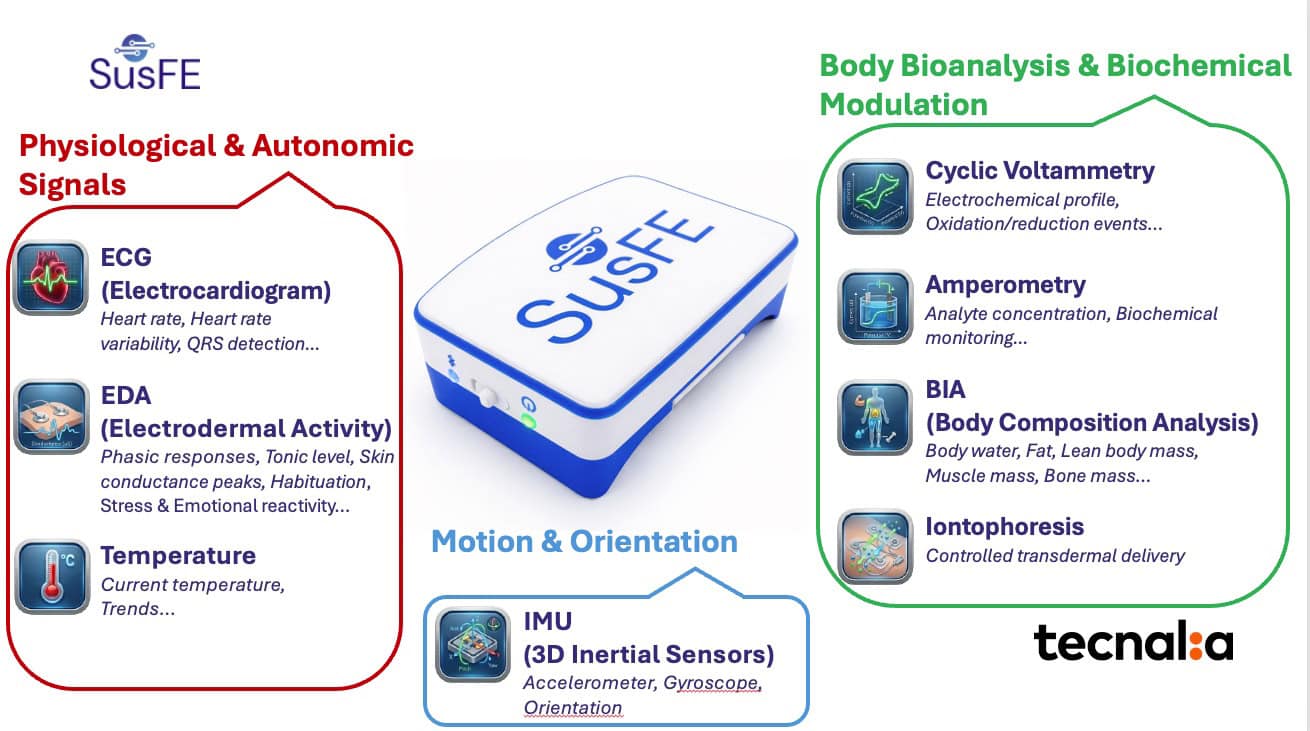
At the heart of the system lies an integrated multimodal sensing architecture capable of simultaneously acquiring electrophysiological and physiological signals. The wearable device collects ECG, electrodermal activity (EDA), temperature, electrochemical measurements, overall activity and real-time location, enabling estimation of cognitive load, physical strain, fatigue, and overall functional state.
Unlike conventional single-sensor wearables, the SusFE TestBed combines multiple sensing modalities into a single compact platform. This integration allows synchronized, high-fidelity signal acquisition and more comprehensive assessment of human state under realistic working conditions.
The system includes:
- A compact hardware unit for real-time data acquisition and Bluetooth Low Energy (BLE) transmission
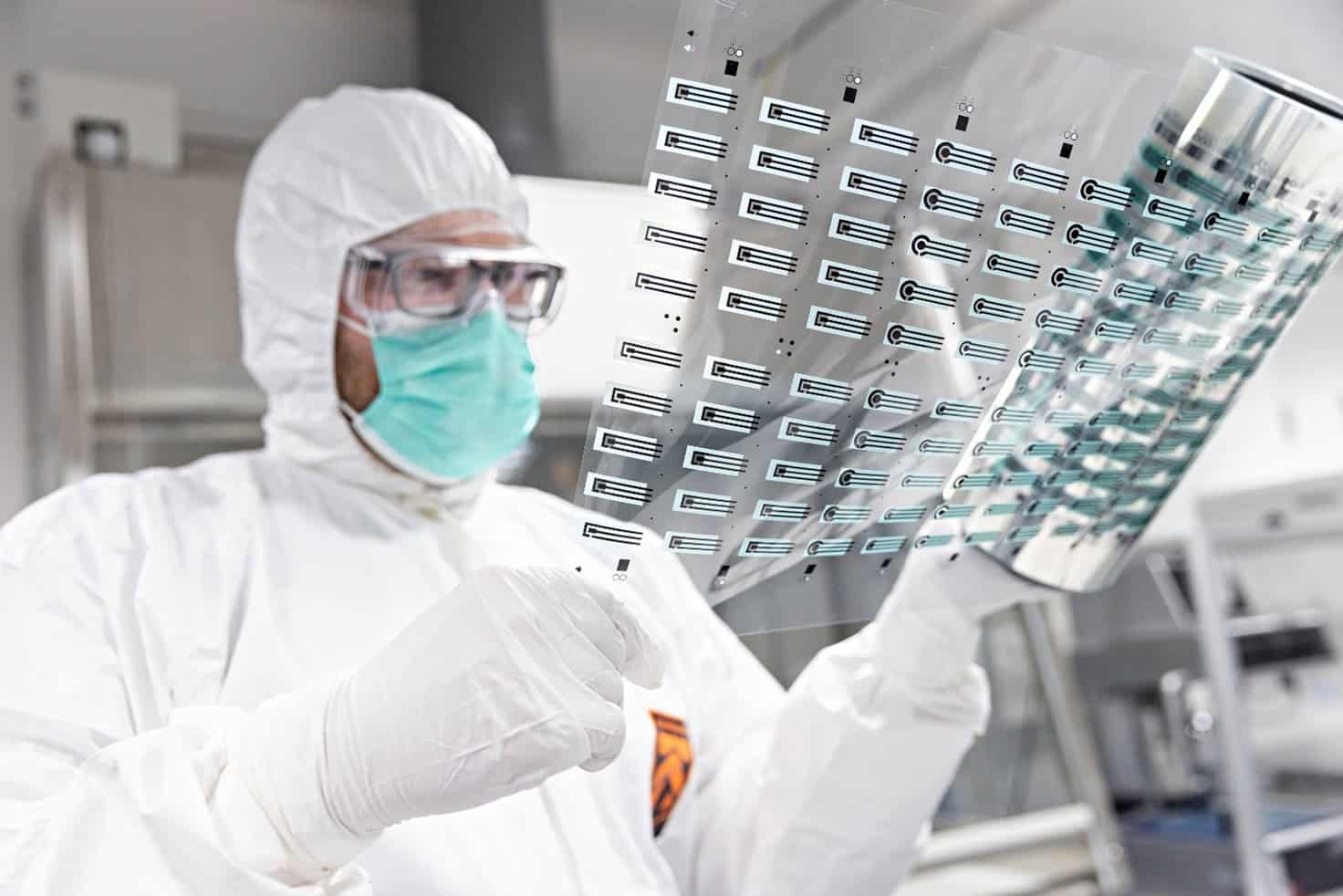
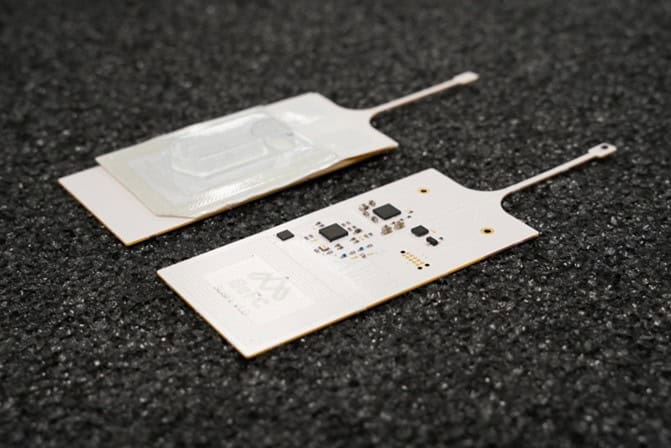
- A biodegradable, paper-based multi-pad electrode integrating multiple sensing elements
- Embedded electronics for signal conditioning, amplification, and synchronized multimodal recording
- A modular architecture that enables flexible sensor configuration
When positioned on the upper arm, the device supports continuous monitoring without restricting movement or interfering with daily tasks.
Designed for Realistic Working Conditions
Validation has been performed in controlled laboratory and simulated real-world environments to assess both cognitive and physical stress scenarios.
Experimental protocols included resting phases, cognitive workload tasks, and multi-stressor scenarios, enabling differentiation between distinct levels of psychological and physical stress. The system demonstrated reliable detection of heart rate changes, stress-related EDA variations, and multimodal physiological responses.
In physical activity scenarios such as walking, running, and load carrying, the device maintained synchronized signal acquisition and stable operation, confirming its applicability beyond static laboratory conditions.
This validation confirms the platform’s capability to monitor nuanced variations in cognitive and physical workload, a key requirement for human-centric monitoring in Industry 5.0 environments.
Sustainability at the Core of the Design
Sustainability is a basic design principle embedded throughout the system lifecycle.
The multi-pad electrodes are printed on biodegradable, paper-based substrates, significantly reducing electronic and plastic waste compared to conventional disposable sensors. By integrating multiple sensing modalities into a single compact device, the system reduces material consumption and eliminates the need for several separate instruments.
Energy efficiency is achieved through optimized electronics and BLE communication, lowering power consumption and extending operational time. This reduces battery waste and supports long-term deployment in distributed environments.
From design and manufacturing to usage and disposal, environmental impact has been systematically considered across the prototype life cycle.
Advancing Human-Centered Industry 5.0
The SusFE TestBed aligns strongly with Industry 5.0 principles by integrating advanced biosensing, AI-ready multimodal data acquisition, and human-cantered design. The platform supports development and validation of:
- AI-based physiological state estimation models
- Adaptive feedback systems
- Decision-support tools for occupational safety and ergonomics
- Human–robot collaboration monitoring scenarios
By enabling real-time assessment of fatigue, cognitive load, and physiological stress, the system opens the door to safer lone-worker monitoring, prevention of fatigue-related incidents, and data-driven workplace design.
From Prototype to Scalable Deployment
The prototype has demonstrated technical feasibility and operational readiness for further field evaluation. The next steps include extended real-world validation, embedded algorithm integration for real-time state assessment, ergonomic refinement, and scalable manufacturing of biodegradable electrodes. Looking ahead, the commercialization strategy envisions a monitoring service provider model supported by recurring service-based revenue and sustainable consumable components. Strategic partnerships with occupational health and safety stakeholders will be central to scaling deployment across diverse industrial environments.
Toward Resilient and Sustainable Work Systems
As industries move toward more resilient and human-aware systems, the ability to understand and support the physiological and cognitive state of workers becomes essential. The SusFE TestBed represents a step toward sustainable, multimodal, and human-centric monitoring solutions that enhance safety, performance, and well-being, without compromising environmental responsibility.
By combining advanced biosensing, real-time analytics, and sustainable design, the platform contributes to the future of intelligent workplaces where technology works in harmony with people.