As we continue our series highlighting early-stage career voices in the SusFE community, we turn our attention to Maryam Nilkar, whose journey in the EC-funded SusFE project reflects both personal growth and collaborative achievement. Maryam brings her expertise in plasma technology to the team, discovering firsthand how working with colleagues from diverse backgrounds can broaden perspectives and spark new ideas. Her experience emphasizes the importance of proactive communication and coordination, showing how these skills help navigate challenges and drive sustainable innovation. In this interview, Maryam shares the lessons she’s learned and the impact of embracing multidisciplinary teamwork.
- What did you initially expect from participating in an EC-funded project?
I expected to collaborate with partners beyond my own technical field and to see how MPG’s plasma technology could contribute to a broader, sustainability-driven vision. I was also curious about how EU priorities shape real industrial research.
- How did your real-world experience match or diverge from those expectations?
It exceeded my expectations. The level of interaction with partners working on very different technologies was inspiring. Moreover, while MPG already applies plasma coatings for adhesion in industrial settings, SusFE required adapting this know-how to new materials and sustainability goals within a multi-partner process chain, which added valuable learning.
- Which project elements most shaped your view of EC funding?
The interdisciplinary nature of the consortium stood out to me. Bringing together universities, research institutes, and industry partners around a shared goal clearly shows how EC funding enables impact that would be difficult to achieve otherwise.
- How has working with international or multidisciplinary partners influenced your day-to-day approach?
It encouraged me to think more broadly about how my work fits into the overall process. While considering downstream steps has always been part of my role, working closely with partners from different disciplines reinforced the importance of clear communication and early coordination to ensure smooth progress across the project
- What new technical or soft skills have you acquired through this project?
Technically, I deepened my expertise in atmospheric plasma polymerization for adhesion promotion on flexible substrates. On the soft-skills side, I improved communication across disciplines, structured documentation, and aligning technical work with project timelines.
- Which training, workshops or mobility opportunities added the most value to your professional development?
I joined the SusFE project at a later stage, so unfortunately, I missed many of the earlier training and mobility opportunities. However, I was able to participate in the final workshop, “Pioneering Paper-Based Electronics: Innovations and Challenges”, which was very insightful. Hearing directly from pioneers in this field was particularly valuable, especially the discussions around recyclability and the practical challenges of sustainable electronics.
- Can you point to specific achievements that you attribute to your EC-project work?
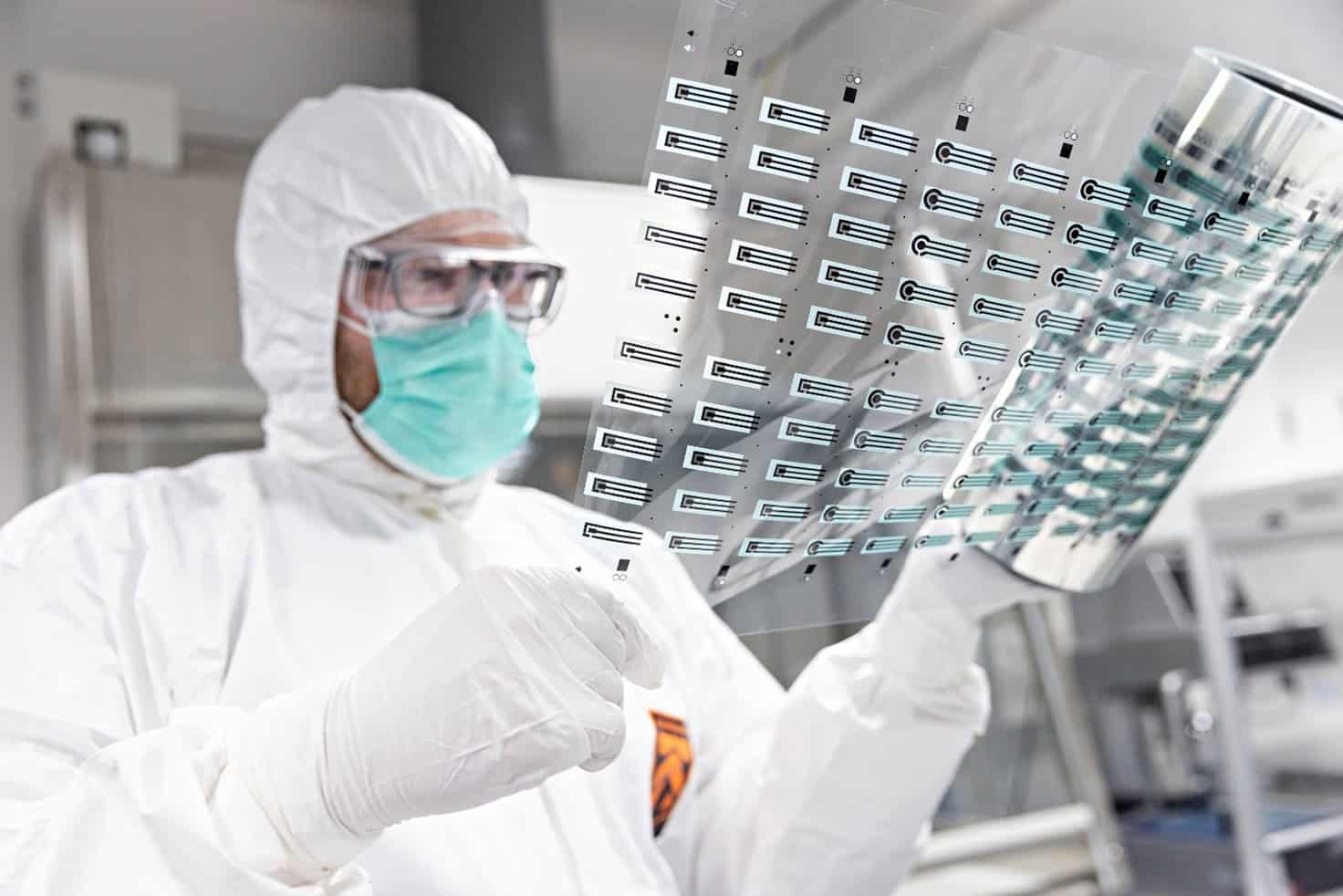
One key achievement was identifying a plasma-based adhesion-promoting coating that maintained metal adhesion on a flexible polymer substrate after ageing, without relying on conventional metallic adhesion layers. This supports sustainability goals and demonstrates the potential of MPG’s plasma technology as a green and industrially relevant solution.
- What unexpected benefits or surprises did you encounter along the way?
The speed of learning through collaboration was a pleasant surprise. Early feedback from partners helped us iterate quickly and avoid unnecessary work, and the professional network built through SusFE has been very valuable.
- What were the biggest challenges you faced, and how did you tackle them?
One of the main challenges was coordinating the next processing steps with other partners, as plasma-treated samples needed to be shipped to another country for further fabrication. Strong communication and early alignment on timing were essential to ensure the coated surfaces remained active and ready for the next deposition step. This was addressed through close coordination, clear planning, and frequent exchanges with the partners involved.
- What single piece of advice would you give to future early-stage researchers or managers?
Share your work early and communicate openly. EC projects are strongest when challenges and results, good or bad, are discussed transparently. Collaboration accelerates learning and leads to better solutions.
Maryam’s experience with SusFE illustrates the value of openness, early communication, and collaboration in multidisciplinary research. Her advice to peers—share progress and challenges from the start and engage actively with your team—offers practical guidance for anyone involved in European projects. As SusFE moves forward, Maryam’s story reminds us that building connections and fostering transparency are key to achieving meaningful, lasting results. Thank you, Maryam, for sharing your insights and encouraging others to grow through teamwork and shared purpose.