We’re thrilled to continue our interview series, where we spotlight remarkable early career professionals in SusFE community. This time, we had the pleasure of speaking with Lauri Rannaste, Research scientist in VTT Technical Research Centre of Finland, who shared his inspiring journey working on an EC-funded project such as SusFE. His experience highlights the challenges and triumphs of collaborating across borders to drive innovation and sustainability in healthcare technology.
1. What did you initially expect from participating in an EC-funded project?
Lauri: I expected structured collaboration, access to diverse expertise, and funding stability to explore innovative ideas and this project truly has been enabling that.
2. How did your real-world experience match or diverge from those expectations?
Lauri: It exceeded expectations in terms of interdisciplinary exchange, though administrative processes have been more complex than I anticipated. Anyways, it has been a great learning experience for all involved.
3. Which project elements most shaped your view of EC funding?
Lauri: The emphasis on impact, dissemination, and cross-border collaboration reshaped how I view research beyond the lab.
4. How has working with international or multidisciplinary partners influenced your day-to-day approach?
Lauri: It’s made me more adaptive and communicative, especially when aligning technical aims and goals with broader picture, which is like a puzzle consisting of multiple pieces and I am focusing on certain pieces while other partners are working with their pieces. I need to describe my pieces to the others while they do the same and we need to have excellent teamwork during the assembly of it. Without good communication, the puzzle would be incomplete and if too many pieces are missing or are in the wrong place then figuring out the big picture is not possible.
5. What new technical or soft skills have you acquired through this project?
Lauri: I’ve deepened my technical skills in sensor integration, sustainable sensors development and their greener manufacturing, and improved soft skills like project coordination and multidisciplinary communication.
6. Which training, workshops or mobility opportunities added the most value to your professional development?
Lauri: Workshops on topics such as eco-design principles, integration, and commercialization organized by other project partners or contacts of them have been very valuable. In addition, conferences like MicroTAS 2023 in Poland, MeMeA 2024 in Netherlands, and Biosensors 2025 in Portugal have been particularly impactful for my professional development.
7. Can you point to specific achievements that you attribute to your EC project work?
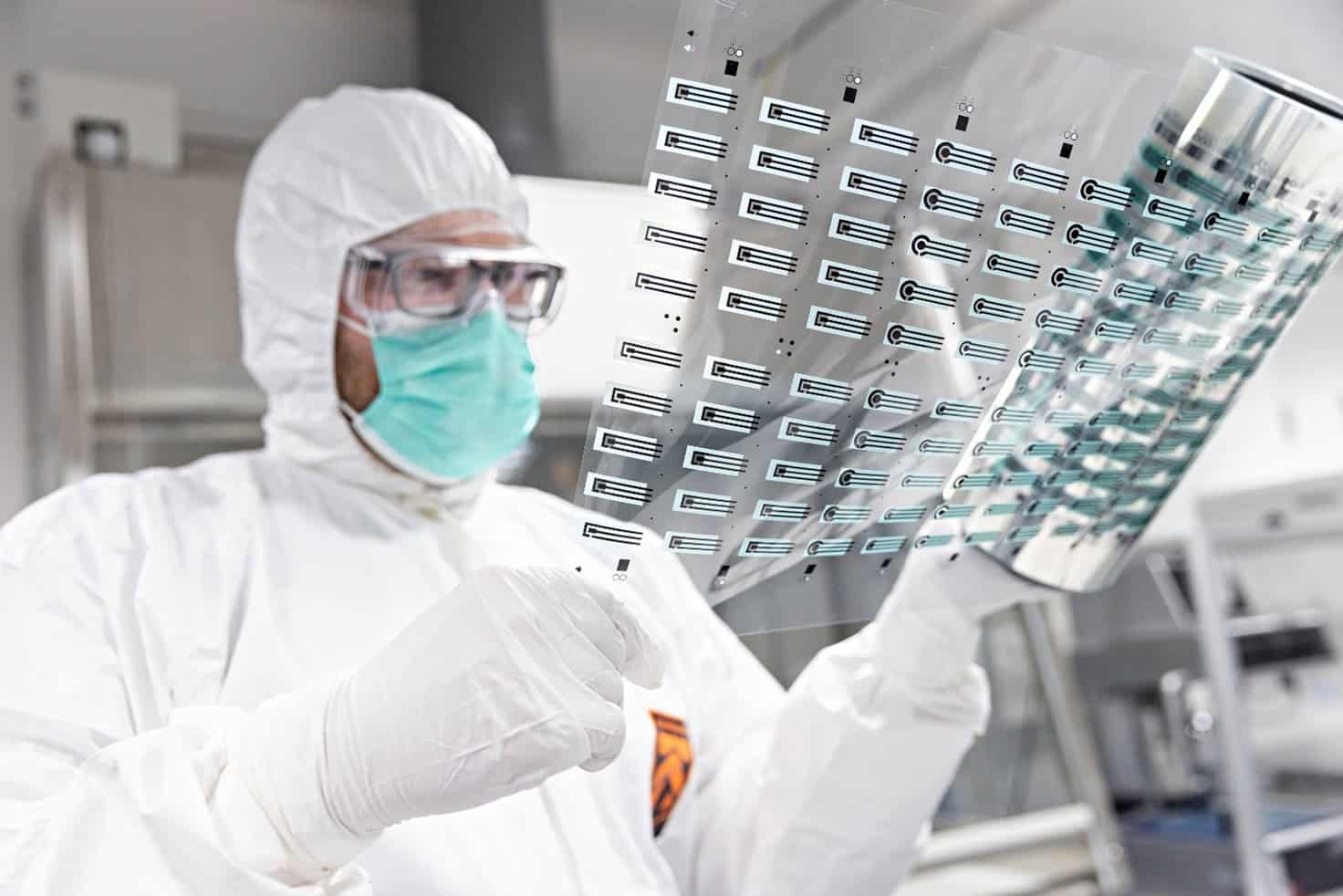
Lauri: The development of roll-to-roll processes for sustainable sensor platforms together with integration of technologies from other partners. Hoping to soon publish these interesting results too!
8. What unexpected benefits or surprises did you encounter along the way?
Lauri: The openness of partners to share unpublished data and the strong mentorship culture were pleasant surprises. In addition to being able to openly discuss possible technical challenges was surprisingly easy and support from other partners.
9. What were the biggest challenges you faced, and how did you tackle them?
Lauri: Coordinating across different time zones and disciplines was tough — I tackled it by setting clear communication routines and shared documentation. In addition, integration of different components into single platform has been. Simplifying things as sharing the “same language” and understanding each other is very important during integration of different components. And having the courage to ask if something is not clear or is troubling.
10. What single piece of advice would you give to future early-stage researchers or managers?
Lauri: Embrace flexibility and be proactive in building relationship and collaboration between academia, research and technology organizations (RTOs) and industry around Europe is the engine of EC projects. Those networks are important for your career, but they can be life-long connections and even friendships. I wish to see and meet the other project partners in the future too (during projects or free time), looking forward to that!
Lauri’s story is a testament to the power of adaptability, collaboration, and innovation. His advice to future researchers—embrace flexibility and cultivate networks across academia and industry—is a valuable reminder for all of us striving to push the boundaries of healthcare technology. Thank you, Lauri, for sharing your journey and continuing to inspire us all!